
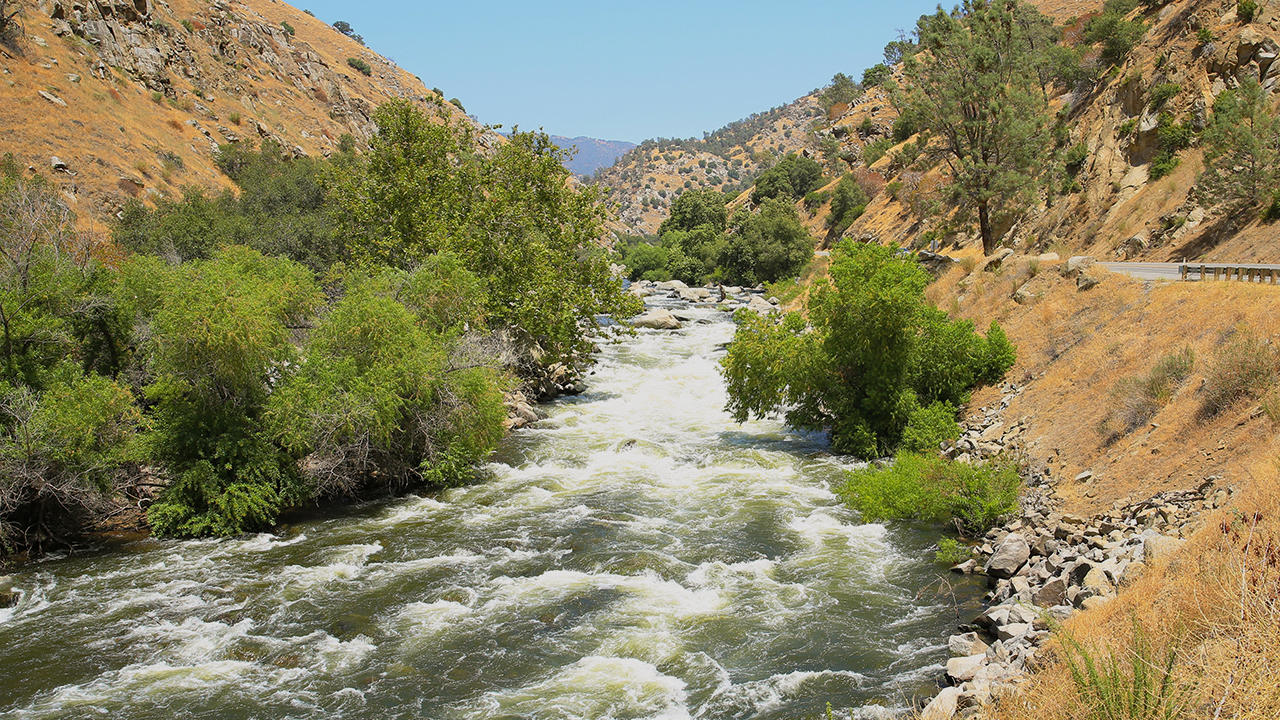
On April 22, along the banks of the San Joaquin River near Fresno, Governor Gavin Newsom announced State Parks Forward, a new initiative to expand California’s State Park System.
Introduced on Earth Day, the plan outlines adding three new state parks in the Central Valley while expanding existing state park land by thousands of acres before the end of the decade.
The California State Parks System currently spans more than 1.5 million acres, including historical sites, scenic mountains and protected coastlines. The three newly proposed state parks aim to expand access to outdoor recreation for underserved communities while conserving newly acquired natural land. According to the California State Parks, the initiative would increase the number of state parks to 283 and add 30,000 acres of protected state park land by 2030. This marks one of the largest expansions the State Parks System has seen in years and reflects progress towards California’s 30×30 goal of conserving 30% of the state’s land and coastal waters by 2030.
The initial stages of State Parks Forward are already underway, with support from local land trust and conservation partners. Recent legislation such as SB 630 has helped simplify the process of acquiring new land for the California State Parks, supporting the preservation of sensitive habitats and ecosystems.
Meet the Three New Parks
The locations selected for the three new state parks reflect a strategic effort to fill a gap in access to public land for communities throughout the Central Valley.
Feather River Park
(Olivehurst, Yuba County)
The addition of Feather River Park would mark the first state park in Yuba County.
Situated on almost 2,000 acres, the park would offer trails along the Feather river, as well as the potential for a boat launch, riverside beach and habitat restoration.
San Joaquin River Parkway
(Fresno and Madera Counties)
Totaling 874 acres along the San Joaquin River, the land is currently owned by the San Joaquin River Conservancy. Offering river access near Fresno County, the state park would help expand recreation opportunities for residents in nearby communities.
Dust Bowl Camp
(Bakersfield, Kern County)
Despite its mere two-acres, the Dust Bowl camp holds major historical significance. As a historical location of migrant farming camps of the Great Depression, the site contains some of the last remaining structures from the Dust Bowl era of the 1930s and 1940s.
Acres Added to Existing Parks
Alongside the three proposed new state parks, the State Parks Forward initiative aims to expand existing state park land by 30,000 acres before 2030.
As of Earth Day 2026, approximately 804 acres have already been added to the following state parks:
453 acres — Montgomery Woods State Natural Reserve (Mendocino County)
218 acres — South Yuba River State Park (Nevada County)
133 acres — Pigeon Point Light Station State Historic Park (San Mateo County)
Despite federal threats to public lands and conservation programs, State Parks Forward marks positive momentum for environmental protection and outdoor access in California. The three proposed state parks may be just the beginning of a broader effort to make state park land more accessible to California residents and visitors while preserving the state’s natural resources and history for generations to come.
