
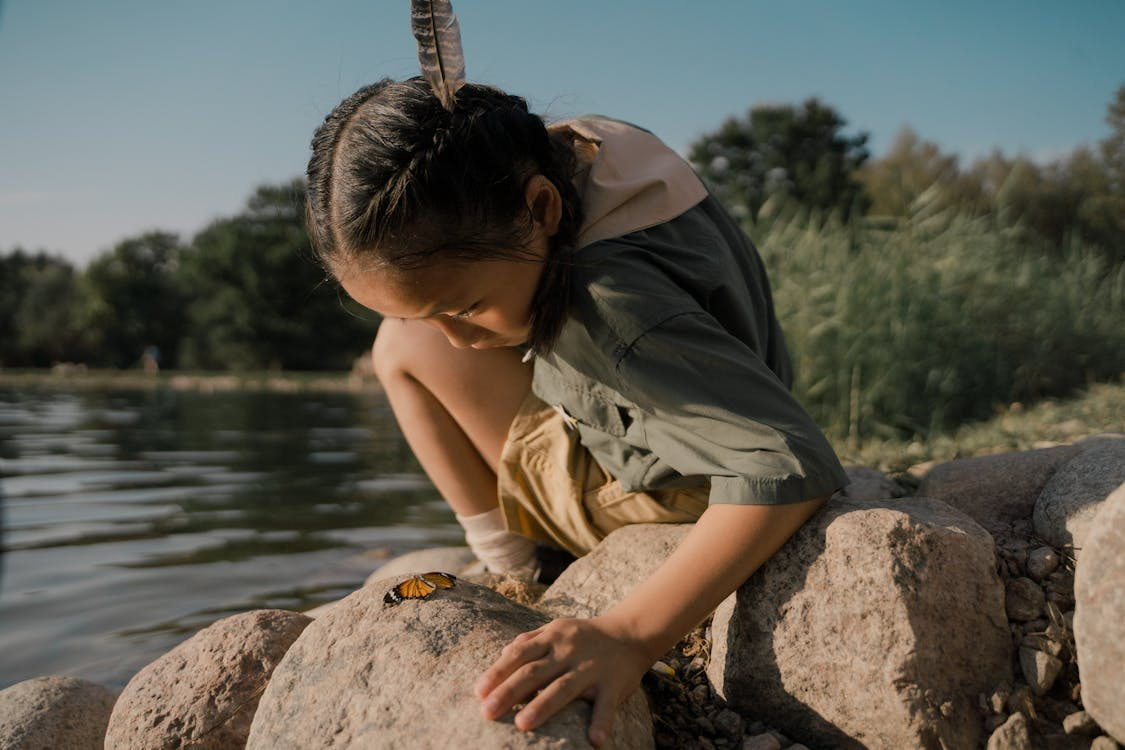
“Nature-deficit disorder” isn’t a clinical diagnosis, but it captures something real: when kids spend most of their time indoors or on screens, mood, focus, sleep, and curiosity can suffer. The fix doesn’t require a national park—just steady, bite-sized time outside. Here’s how to make the outdoors a daily, joyful rhythm for your family.
Why outside time matters for growing brains and bodies
- Regulates stress: natural light and green views can lower cortisol and calm the nervous system
- Builds attention: unstructured play and varied terrain train focus and balance
- Fuels better sleep: morning daylight exposure supports healthy circadian rhythms
- Sparks creativity: sticks, stones, bugs, and clouds invite open-ended problem-solving
Start small: a “15 outside” habit you can keep
- Put it on the calendar like any other appointment—right after school or dinner
- Keep a basket by the door with essentials: water bottle, hats, sunscreen, simple snacks
- Choose one “default route” (around the block, neighborhood greenway, courtyard loop) so decision fatigue doesn’t kill momentum
Micro-adventures close to home
- Wild scavenger hunt: find “something rough, something red, something that flies”
- Listen walk: name three birds, two human sounds, one wind sound
- Texture map: collect leaf rubbings with crayons and paper
- Cloud stories: lie on a blanket and tell the sky’s “plot” in three images
- Night spark: step outside with flashlights, count stars, find the moon’s phase
Weekend upgrades that don’t require a full day
- Park hop: try two playgrounds, compare slides, vote on “best swing arc”
- Creek sit: bring a strainer and watch what the water carries (leave living things where they belong)
- Trail sampler: 20 minutes out, snack, 20 minutes back—no pressure to “finish”
Make it social (and easier on you)
- Start a family nature club with one other household; rotate hosting and locations
- Invite a grandparent or neighbor—shared stories make simple walks feel special
- Pair outside time with something you already do: audiobook chapter, prayer/meditation, or “high–low–learned” chats
Nature for all abilities and energy levels
- Choose paved paths for wheelchairs and strollers; call parks ahead for accessibility tips
- Build a sit spot: the same bench, porch, or patch of grass—notice seasonal changes without going far
- Try sensory-first outings: smell flowers, feel bark, listen for insects
Pack smarter, worry less
- “Go bag” checklist: wipes, bandages, bug spray, sunscreen, hats, snacks, a trash bag for litter pickup, and a change of socks
- Weather wisdom: layers beat one heavy coat; keep a spare towel in the trunk
- Shoe rule: one pair that can get muddy without stress
Turn screens into springboards (not replacements)
- Use a simple field guide app to ID leaves, birds*, or constellations—then put the phone away
- Let kids film a 30-second “nature news report” at the end of each outing
- Track your family’s “outside streak” on a paper calendar for old-school motivation
*Tip: there are several great ways to use tech with your and your child’s birdwatching adventures. Try Merlin Bird ID for identification, and once a year consider joining the Great Backyard Bird Count.
Make everyday moments count
- Breakfast on the porch when the weather’s kind
- Homework “recess” outside between subjects
- After-dinner “green minute”: step into the yard to breathe and name one beautiful thing
Plan special outings that feel like a treat
Building anticipation helps the habit stick. Consider creating special activities together to make events more memorable and more meaningful for you both.
Consider a monthly “mini big deal” such as
- Sunrise hot chocolate at the park
- Kite-flying at a windy field
- A lantern walk at dusk.
Help kids care for what they notice
- Litter pickup challenge: 5-item goal with gloves and a grabber
- Balcony or windowsill garden: herbs in recycled containers teach patience and responsibility
- “Adopt” a tree: measure its trunk, sketch its leaves, visit in every season
When kids resist
- Offer choice within structure: “Park loop or creek path?”
- Keep it short and sweet at first—leave while they’re still having fun
- Bring a friend or a purpose (deliver a note, photograph textures, count squirrels)
Quick table: nature time by age and energy
| Child’s vibe today | Quick win | Why it helps |
| High energy | “Animal moves” lap (bear crawl, frog hop, crab walk) | Burns wiggles, builds strength |
| Curious | Bug hotel build with sticks and leaves | Fosters observation and care |
| Tired | Blanket time under a tree, story aloud | Restful exposure to light and breeze |
| Anxious | Five-senses walk (5 see, 4 hear, 3 feel…) | Grounds attention, eases tension |
Safety and comfort basics
- Sun + hydration: hats, SPF, and water breaks every 20–30 minutes
- Boundaries: set clear “how far” and “stay where I can see you” rules
- Leave no trace: take photos, not critters; pack out what you bring in
A 14-day “outside streak” you can try
- Days 1–3: 10–15 minutes after school in the yard or on a short loop
- Days 4–6: Add a purpose—scavenger list, leaf rubbings, or bird tally
- Days 7–10: Invite a friend or grandparent; try a new park or path
- Days 11–14: One sunrise or sunset outing; start a sit-spot journal with sketches
Closing encouragement
Nature time doesn’t have to be epic to be effective. A few consistent minutes outside most days change the family’s baseline—less hurry, more wonder. Keep it simple, keep it playful, and let your children lead the way; soon the outdoors becomes everyone’s favorite room of the house.
Photo from Pexels
